
Monday to Sunday, 7 AM – 9 PM
Get back to safe driving and clear visibility with precise installation, OEM equivalent glass options, and upfront written estimates you can review before work begins.
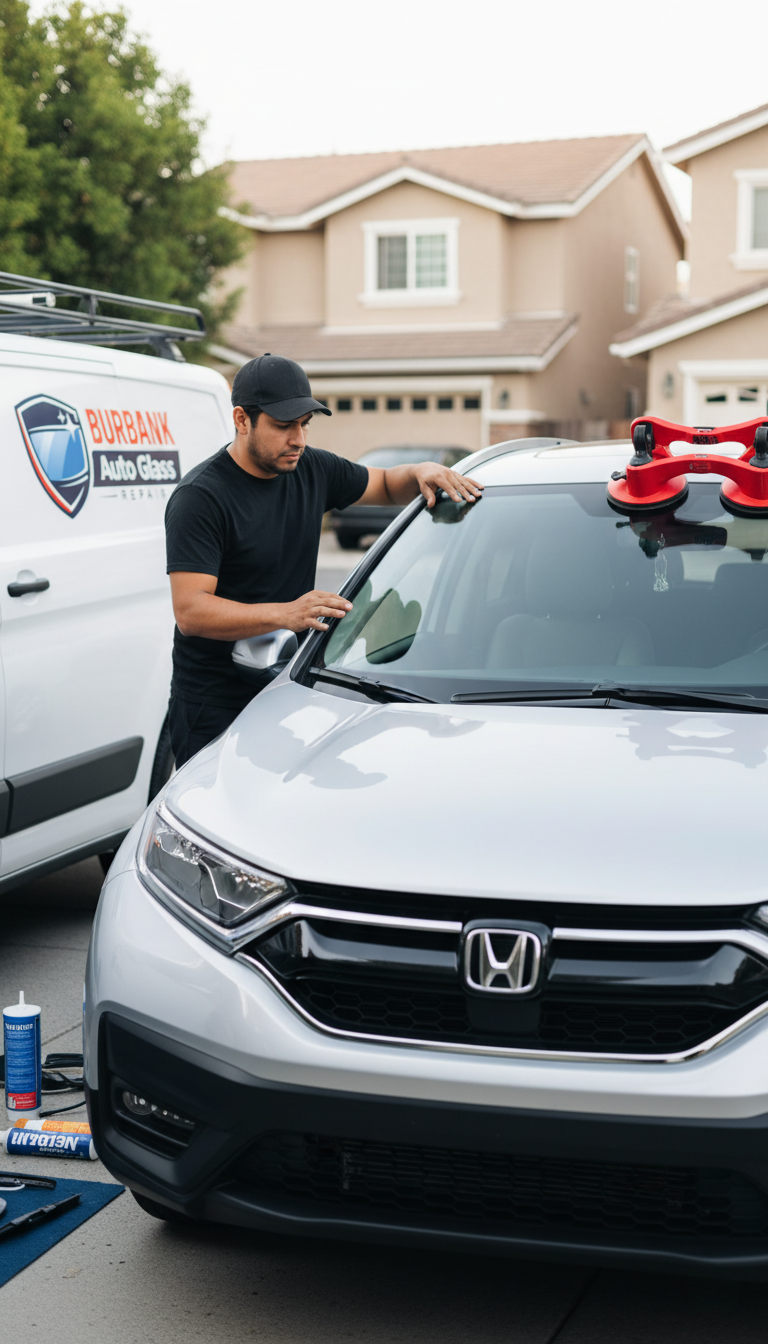

Clear written estimates are provided before work begins so you understand the scope, pricing, and service details with no surprises.

OEM equivalent glass options are selected based on fitment, strength, and vehicle specifications to ensure proper installation and long term performance.

Mobile auto glass service is performed at your location, saving time while delivering the same quality standards as an in-shop installation.

ADAS calibration requirements are checked based on your vehicle to ensure cameras and safety systems function correctly after windshield replacement.

Installation includes seal verification and a clean finish to confirm proper bonding, water resistance, and a professional final appearance.
Windshield replacement is a full removal and replacement service for damaged laminated safety glass. It is the right choice when cracking spreads, damage sits near the edge, the driver's view is affected, or the glass can no longer support a safe bond and proper sealing.
Burbank Auto Glass Repair matches the correct windshield to your vehicle's features, sets it to factory positioning, and confirms camera and sensor requirements when your vehicle uses ADAS. When calibration is required, we handle it so that lane assist and automatic emergency braking systems can operate as intended.
Call now to repair your windshield replacement today
+1 (818) 239-4867Some damage can be repaired, but replacement becomes the safer choice when the glass can no longer be restored to reliable strength, clear vision, or proper sealing. Replacement is also often required when the windshield supports camera and sensor systems that depend on precise positioning and a clean optical path.
Long cracks, branching crack patterns, and spreading damage can weaken the windshield and reduce the support it provides during a collision.
Several chips can weaken the glass across a wider area. Even if one chip looks small, multiple impacts can reduce overall windshield strength.
Damage close to the border of the windshield can spread faster and may interfere with bonding integrity.
Damage in the driver's view area can distort visibility and increase glare, especially at night or in the rain.
Water leaks, persistent moisture issues, or noticeable wind noise can indicate the windshield is not sealing correctly and may require replacement to restore proper fit and seal.
If the vehicle displays driver assistance warnings or if the windshield area around the camera mount is damaged, replacement and calibration verification may be required to restore system accuracy.
A professional windshield replacement follows a controlled sequence designed to protect the vehicle, support proper bonding, and reduce the risk of leaks, wind noise, and alignment issues.
We protect the interior and surrounding surfaces and remove any components that block access when required by the vehicle design, such as wiper arms, mirror hardware, and moldings.
The existing urethane bond is cut using professional tools, and the damaged windshield is removed while protecting the frame and surrounding trim.
The bonding area is inspected and prepared. Old adhesive is addressed according to the adhesive system requirements, contamination is removed, and primer is applied when required to support corrosion resistance and proper bonding.
A fresh bead of urethane adhesive is applied, and the new windshield is set and aligned to correct positioning. Components are reinstalled with attention to fit and finish.
We perform seal checks, inspect for common leak and wind noise risk points, confirm visual clarity, and provide safe drive away time guidance based on the adhesive system and conditions during installation.
Many vehicles have multiple windshield specifications based on trim and safety features. Correct matching matters for curvature, optical clarity, and compatibility with mounts and sensors.
OEM glass is built to the vehicle brand specification and is often selected when the goal is the closest match to the original appearance and feature compatibility.
Aftermarket glass can be a cost effective option when it matches the correct specifications for curvature, mounts, tint, and sensor compatibility.
We confirm the windshield specification needed for camera brackets, rain sensor mounts, acoustic layers, heated elements, and HUD compatibility when equipped. This avoids mismatched glass and helps protect safety system accuracy.
Many modern vehicles use windshield mounted cameras and sensors as part of advanced driver assistance systems. After replacement, calibration may be required to restore camera and sensor alignment to manufacturer specifications.
We verify whether calibration is required based on the vehicle system. When calibration is required, we perform the appropriate calibration method for that vehicle and confirm system status after completion. When calibration is not required, we document the requirement check as part of the service record.
Most windshield replacement appointments fit within a typical service window, and total time depends on vehicle design, trim complexity, and calibration requirements when applicable. After installation, the urethane adhesive needs time to reach safe strength.
Vehicle design, molding complexity, camera and sensor systems, and calibration requirements can change the total time.
You will receive clear, safe drive away time guidance at completion based on the adhesive system and the installation conditions at the time of service.
Call Today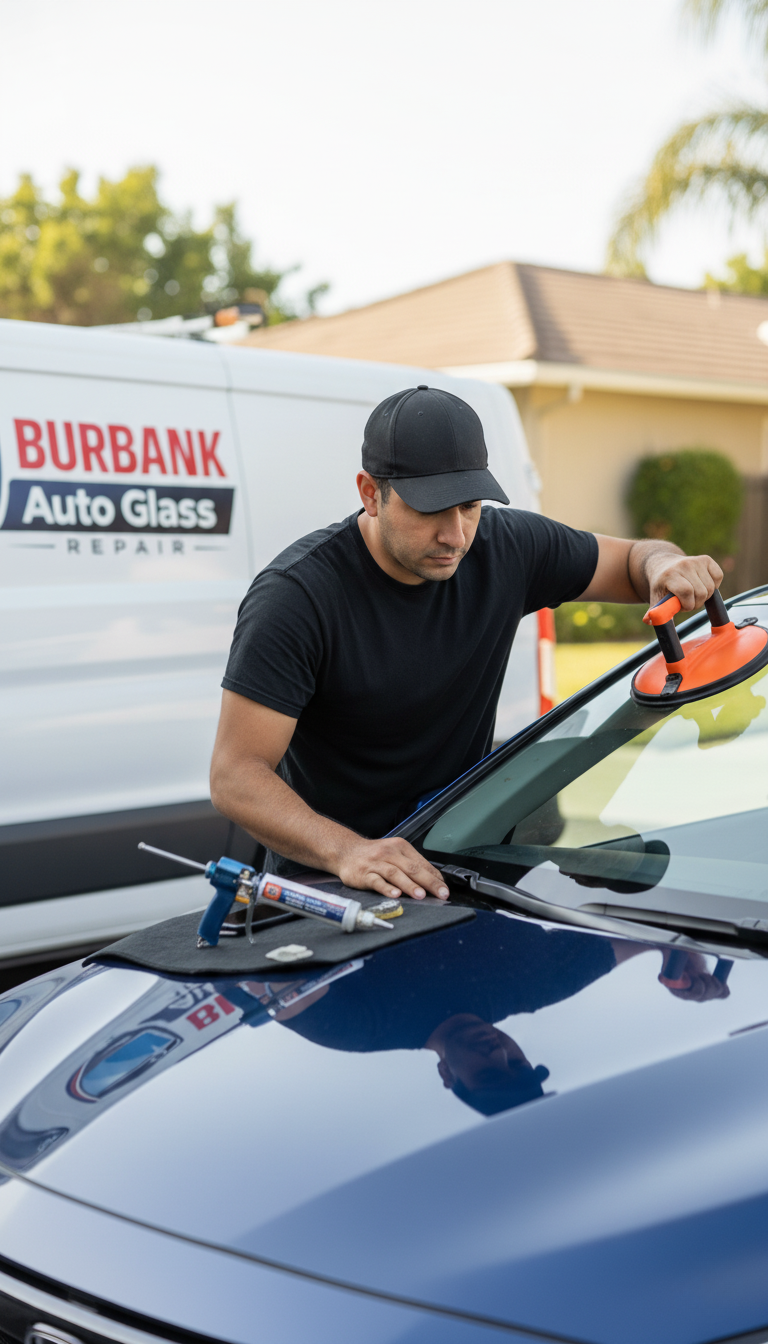
Windshield replacement cost depends on vehicle year, make, model, trim, glass type, and feature package. Vehicles with sensors or ADAS systems may increase pricing due to calibration. Provide vehicle details and windshield features to receive an accurate quote.
OEM glass is available for windshield replacement when supplied by the manufacturer. Technicians can also provide aftermarket glass that meets required safety and fitment standards. Both options match vehicle specifications when properly selected.
Windshield replacement requires calibration on vehicles with cameras or ADAS systems. Calibration restores sensor accuracy and system performance. Technicians verify calibration requirements based on vehicle make, model, and installed safety features.
Windshield replacement appointments take 30 to 60 minutes for installation, with additional time required if calibration is needed. Total time depends on vehicle design and system requirements. Technicians provide a clear estimate during scheduling and safe drive guidance after service.
Call now to request a quote and schedule windshield replacement service. We confirm the correct windshield specification, review calibration requirements when applicable,
and provide clear timing expectations, including safe drive away time guidance.