Monday to Sunday, 7 AM – 9 PM
Correct camera and sensor alignment using manufacturer required procedures, with verification and clear results you can keep for your records.
Camera systems are recalibrated to restore proper alignment and accurate function after glass replacement.
Calibration method is selected based on your vehicle system to ensure correct sensor performance.

Flexible scheduling helps you complete calibration or service without unnecessary delays.

You receive a clear summary of calibration results and system status after the service is completed.
ADAS calibration aligns camera and sensor systems used in driver assistance features so they accurately interpret lane lines, vehicles, and obstacles based on the vehicle manufacturer’s procedure. ADAS calibration supports proper system performance by maintaining correct camera alignment and sensor positioning after windshield replacement, collision impact, or any condition that affects system accuracy.
Burbank Auto Glass Repair performs ADAS calibration by starting with system identification and a diagnostic scan, then completing and verifying the required calibration method. If the vehicle requires a target based calibration, a controlled calibration environment is used for precise alignment. If the vehicle requires a road learning procedure, the required driving conditions are followed to complete calibration and confirm accurate system response.
Call now to get done ADAS Calibration today
+1 (818) 239-4867Calibration is commonly required after windshield replacement, collision repair, alignment related changes, or replacement of a camera or radar sensor. Warning lights or diagnostic trouble codes can also signal that calibration is required, or that a fault must be resolved before calibration can complete.
A camera behind the windshield can require recalibration when its position or viewing angle changes.
Repairs can affect mounting points and angles that sensors rely on for accurate measurement.
Vehicle geometry changes can affect calibration requirements on certain vehicles.
Replacing an ADAS component often requires recalibration as part of the manufacturer's procedure.
A diagnostic scan confirms which systems need calibration and whether any active faults block completion.
The feature set varies by vehicle and trim. Calibration supports the correct operation of the camera and sensor driven features, where equipped.
Accurate camera alignment supports lane detection and steering support behavior, where equipped.
Sensor alignment can affect the following distance interpretation and closing speed behavior when equipped.
Object detection and distance estimation can depend on correct calibration when equipped.
Some vehicles use radar sensors that may require calibration after specific repairs, where equipped.
Parking assistance can rely on camera alignment and system verification, where equipped.
The method required depends entirely on the manufacturer's specifications. Some vehicles require a controlled calibration environment and targets. Others require a road procedure. Some require both for a complete reset.
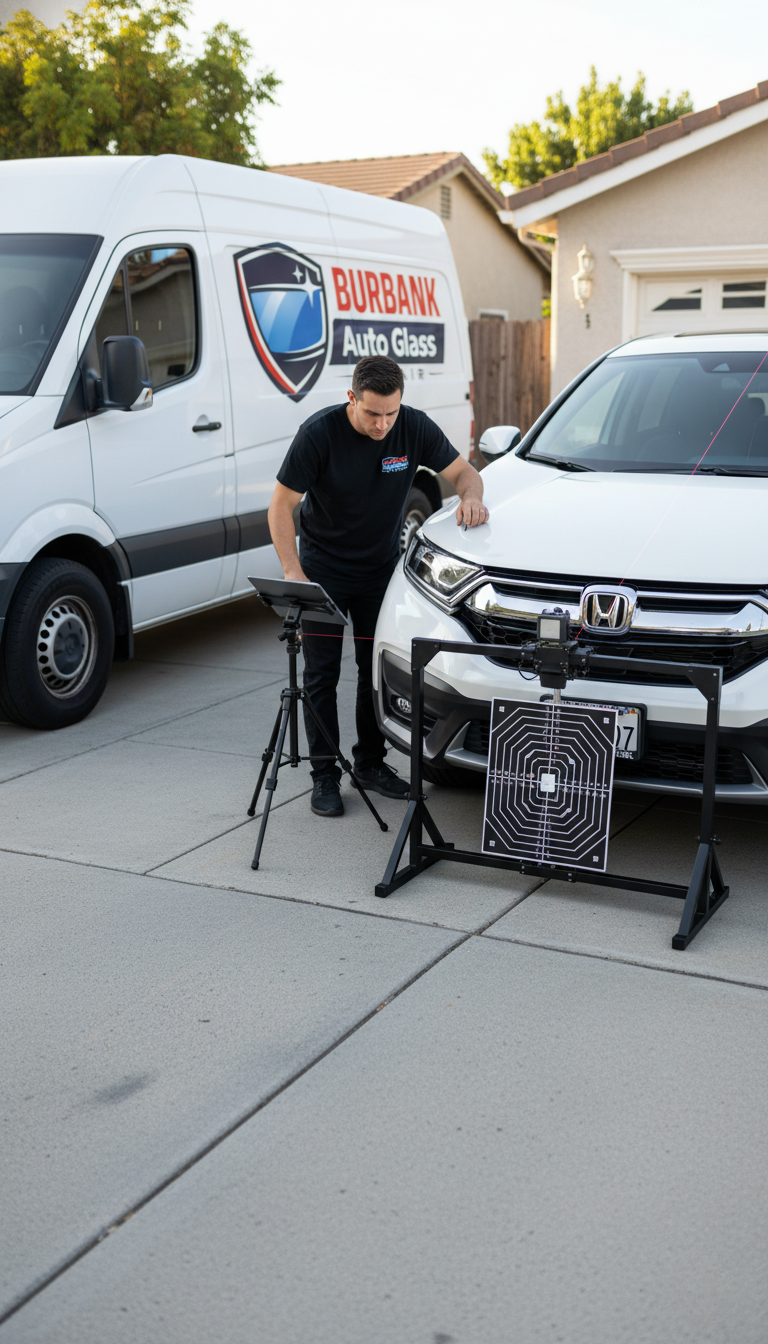
Static calibration is completed in a controlled calibration environment with level setup and controlled lighting conditions when required. Technicians use calibration targets and precision measuring tools, often with laser guided alignment, with targets placed at required distances and positions so the system can be reset to specification.
Dynamic calibration is completed by driving under manufacturer required conditions on well marked roads at specified speeds and for a specified distance. A diagnostic tool is connected through the OBD II port so the system can complete the learning and confirmation process in real time based on lane markings and roadway conditions.
Some vehicles require both static and dynamic procedures for a complete reset. Examples commonly associated with dual requirements include certain BMW and Tesla models, depending on the exact system configuration and procedure.
A consistent workflow supports accurate results and a clear outcome. The sequence follows the manufacturer's procedure for the systems present on the vehicle.
Confirm the vehicle details and identify the ADAS systems that require calibration steps.
Scan for diagnostic trouble codes and confirm system status before calibration steps begin.
Complete static calibration, dynamic calibration, or dual calibration as required.
Confirm calibration completion and verify post calibration system status.
Call Today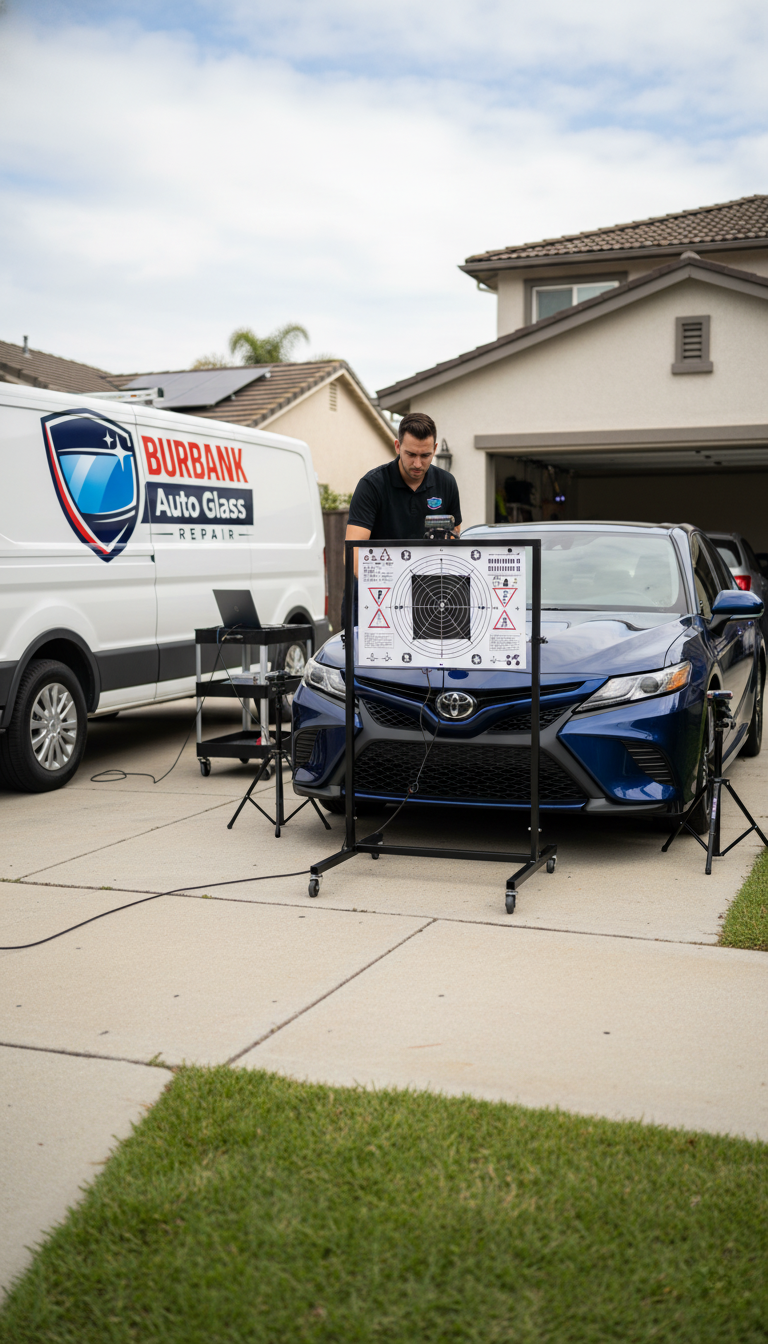
Calibration can be blocked when prerequisites are not met or when an unresolved fault is present. A scan plus procedure based verification clarifies what is required for a successful calibration.
A damaged or malfunctioning component can prevent calibration from completing.
Incorrect positioning or alignment can prevent the procedure from passing verification.
Some procedures require specific vehicle state and operating conditions to be completed successfully.
Dual calibration requires completing both static and dynamic calibration procedures to reset and verify ADAS systems. Vehicle manufacturers define this requirement based on system configuration. Some vehicles need stationary target alignment, while others require road testing to complete calibration and confirm accurate sensor performance.
ADAS calibration time ranges from 30 minutes to 4 hours, depending on the number of systems and calibration type. Static calibration requires a controlled shop setup, while dynamic calibration requires road driving. Diagnostic results and fault conditions can extend total calibration time.
ADAS calibration can proceed only after a diagnostic scan confirms the cause of the warning light. Calibration warnings allow calibration, but active faults block completion. Technicians must identify and repair system faults before starting or completing the calibration process.
ADAS calibration is required after specific repairs, even when no warning lights appear. Manufacturers define calibration requirements in service procedures. Repairs involving sensors, alignment, or structural components often require calibration to restore system accuracy.
ADAS calibration procedures vary by manufacturer, model, and sensor type. Some vehicles use camera based systems, others use radar or lidar, and many use multiple sensors. Each system requires specific calibration steps, tools, and targets defined by the manufacturer.
Schedule ADAS calibration with Burbank Auto Glass Repair for vehicles
that require camera or sensor recalibration. Provide the year, make, model,
and the recent repair details so the correct procedure can be confirmed.